DYNAMIXEL-Q and Impedance Control
DYNAMIXEL-Q is a new DYNAMIXEL product line based on a QDD (Quasi-Direct Drive) actuator architecture. It combines a low gear ratio, a low-inertia PMSM (Permanent Magnet Synchronous Motor), a high-performance embedded controller, and a fast communication protocol for responsive force and motion control.
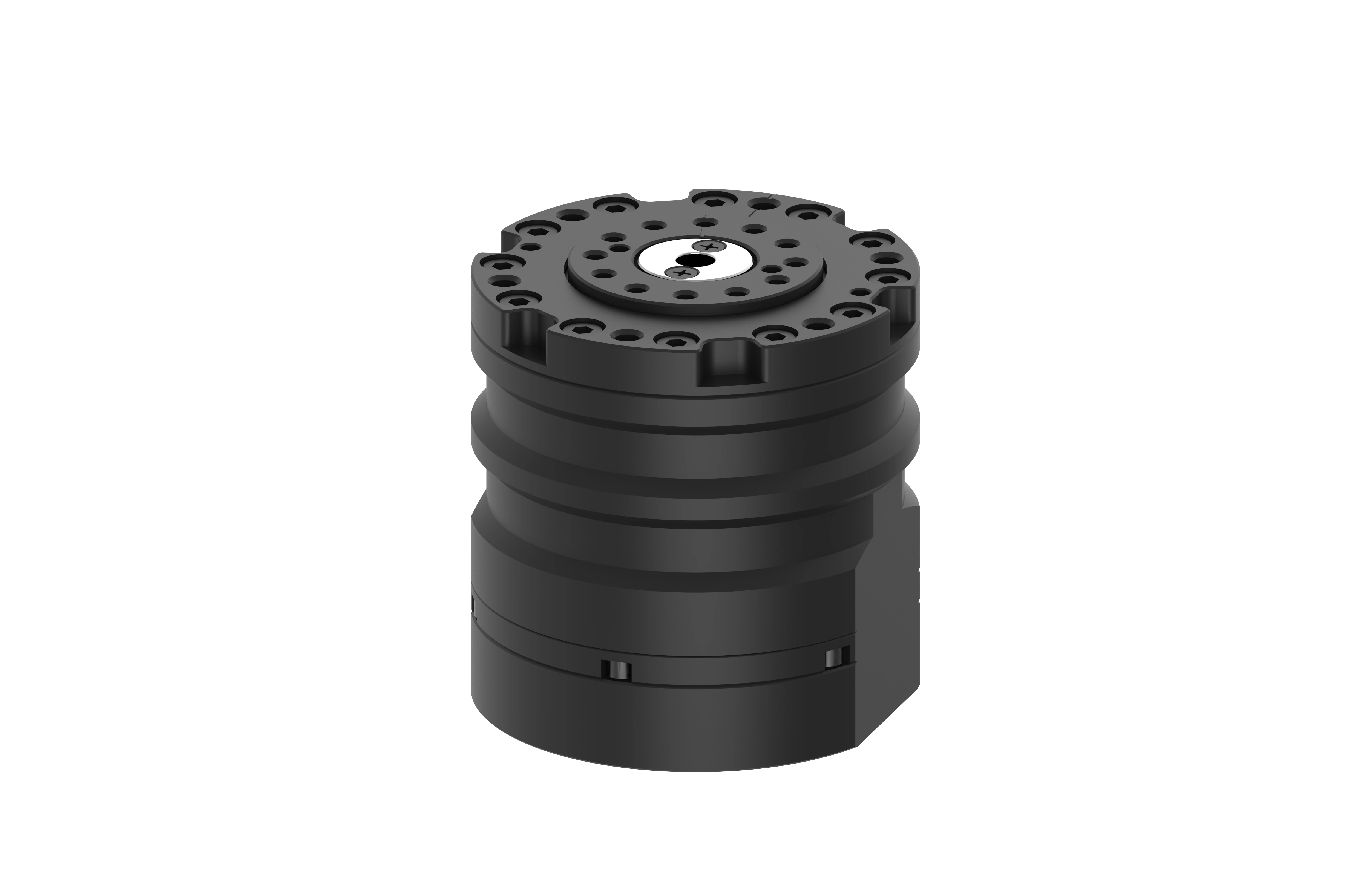
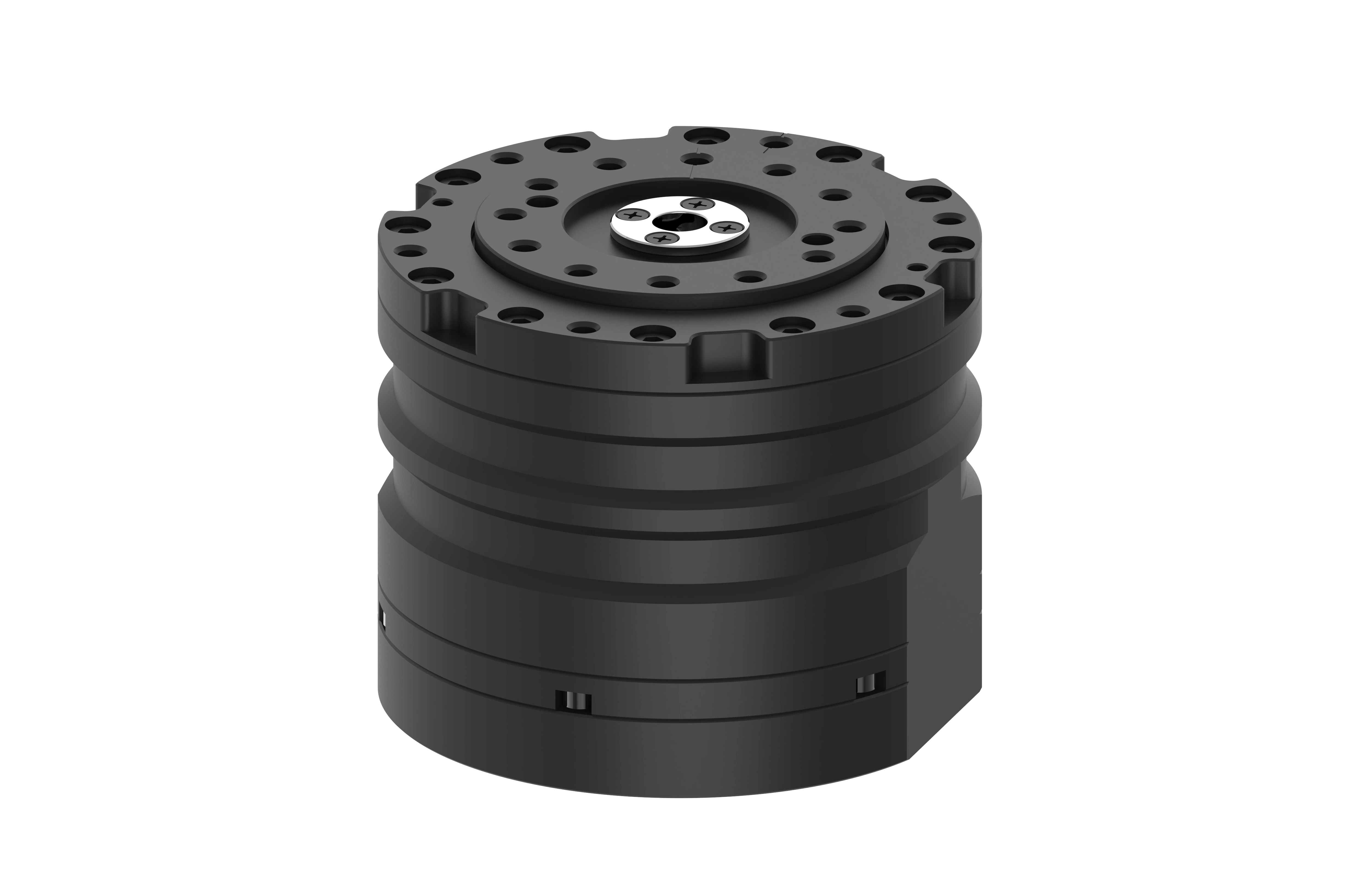
In AI Sapiens, DYNAMIXEL-Q actuators communicate over RS-485 at 6 Mbps. The actuator control interface uses Impedance Control Mode: the robot-side controller sends the desired joint control parameters, and each actuator's internal controller calculates the final torque command.
QDD Actuator Concept
Conventional high-ratio geared servos are strong and compact, but the high reduction ratio can make the joint less backdrivable and less responsive to external interaction. QDD actuators use a lower gear ratio with a high-torque motor, allowing the joint to respond more naturally while still producing useful output torque.
For AI Sapiens, this actuator structure supports fast joint response, smooth damping, and stable physical interaction during dynamic motion.
Impedance Control Mode
The impedance controller combines position feedback, velocity damping, and feedforward torque:
This controller behaves like a virtual spring-damper with optional torque assist. The kp term acts like a spring that pulls the joint toward the desired position, the kd term acts like a damper that resists velocity, and tau_ff adds feedforward torque from the higher-level robot controller.
This mode does not expose a separate inertia term in the command equation. That is still a valid impedance-style joint interface: the commanded behavior is set by virtual stiffness, damping, and optional feedforward torque, while the actuator and robot dynamics provide the physical inertia.
| Term | Description |
|---|---|
| τcmd | Final torque command calculated inside the actuator controller. |
| qdes | Desired joint position. |
| q | Present joint position. |
| q̇des | Desired joint velocity. |
| q̇ | Present joint velocity. |
| kp | Position gain. Higher values make the joint track position more strongly. |
| kd | Damping gain. Higher values resist joint velocity more strongly. |
| τff | Feedforward torque command from the robot-side controller. |
AI Sapiens Control Flow
- The robot-side controller calculates desired joint position, gains, and feedforward torque.
- Commands are transmitted to DYNAMIXEL-Q actuators over RS-485 at
6 Mbps. - Each actuator reads its internal position and velocity feedback.
- The actuator's internal impedance controller calculates τcmd.
- The embedded motor controller drives the low-inertia PMSM to produce the commanded torque.
This structure keeps the fast low-level control loop inside the actuator while allowing the robot-side ROS 2 control stack to command compliant and dynamic joint behavior.